



Videos by According2HipHop
Thirty years ago today, Snoop Dogg stood at one of the most uncertain crossroads of his life. On February 20, 1996, the rising West Coast rap star was acquitted of first- and second-degree murder charges stemming from a 1993 shooting case that had captivated the nation and threatened to derail his career before it truly began.
At the time, Snoop was just 24 years old and one of Hip-Hop’s brightest new stars, fresh off the massive success of his debut album Doggystyle. The highly publicized trial lasted months, with Snoop and his bodyguard ultimately found not guilty, giving the young rapper a second chance at both life and his career.
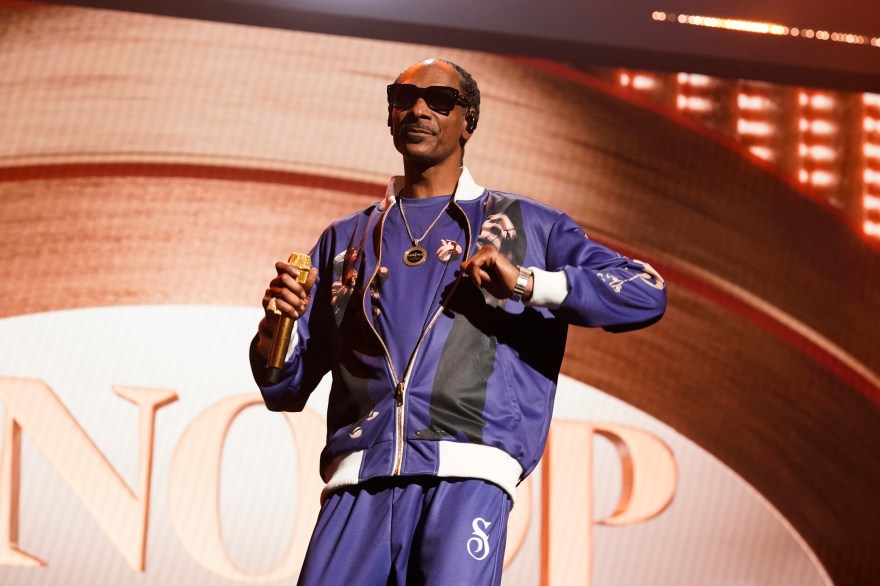
Fast forward three decades, and Snoop Dogg’s transformation is nothing short of remarkable. The same artist once fighting for his freedom is now one of America’s most beloved cultural figures—and even serves as a key part of NBC’s Olympic coverage. His role as a correspondent and ambassador during the Olympics has earned widespread praise and helped bring new energy and visibility to the global event.
Snoop’s evolution from controversial gangsta rap figure to Olympic personality reflects a journey defined by reinvention, longevity, and cultural impact. What once seemed like the end of his story became the beginning of a legacy that would stretch far beyond music.
Thirty years after facing the possibility of prison, Snoop Dogg now stands as a symbol of resilience—representing not just Hip-Hop, but the United States on one of the world’s biggest stages.