


Videos by According2HipHop
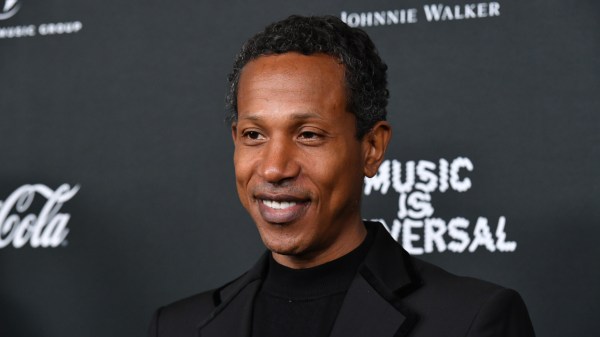
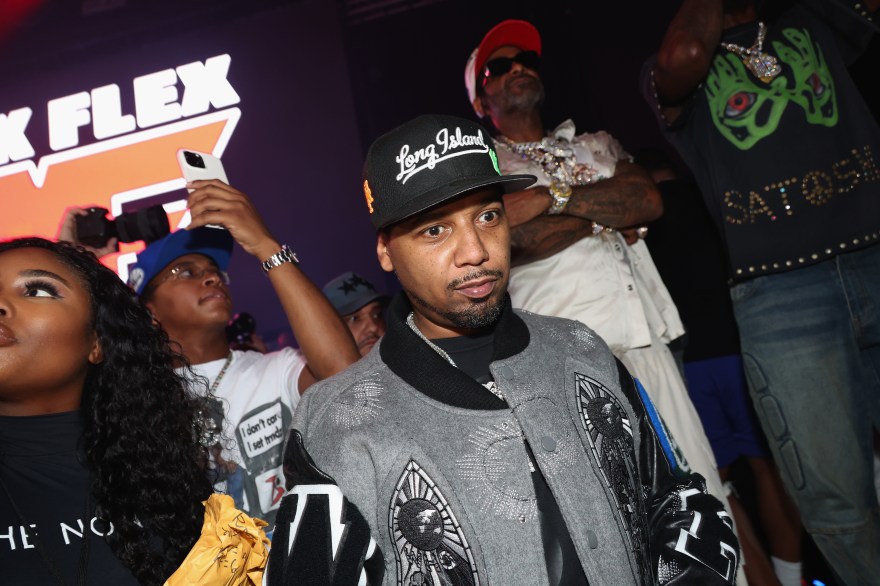
Juelz Santana walked himself straight into a firestorm this week after suggesting that reading is optional for today’s kids. On the No Funny Shxt podcast, the Dipset vet argued that schools should swap books for balance sheets and focus on teaching students how to start businesses by ninth grade. Financial literacy? Absolutely. But saying kids “don’t really need to learn how to read”? That’s where the record scratches.
It didn’t take long for Charlamagne Tha God to weigh in. The Breakfast Club host handed Santana a well-earned Donkey of the Day and laid out what shouldn’t have to be explained: financial literacy requires literacy, period. “There shouldn’t be an either/or to this discussion,” he said. “You should be able to read, and you should learn financial literacy. If you’re going to learn financial literacy, you need to know how to read.”
This Donkey of the Day may be dated, but it should not be overlooked! Donkey of the Day goes to Juelz Santana for saying, in the public eye, that common sense and financial literacy are more important than actual literacy… Make that make sense. 🤔Tap into DOTD, powered by… pic.twitter.com/OeFCQ4uBpm
— The Breakfast Club (@breakfastclubam) December 1, 2025
But Santana doubled down, insisting that reading can be outsourced to audiobooks. In other words: Let an app do the heavy lifting. Charlamagne wasn’t having that either. As he put it, relying on someone else’s narration means you’re depending on someone else’s lens — their interpretation, their emphasis, their mistakes. Reading is access. Reading is autonomy. Reading is freedom.
And that’s the part that hits deeper than a podcast clip. Hip-hop is built on storytelling, on wordplay, on literacy in all its forms. Our culture thrives because artists learned how to read the world around them — literally and metaphorically — and translate that into something powerful. Saying kids don’t need to read isn’t just misguided. It undercuts the very foundation that allowed artists like Juelz Santana to speak to us in the first place.
Math matters. Money matters. Ownership matters. But none of that substitutes the basic tool every kid needs to navigate life: the ability to pick up a text and make sense of it on their own terms.
Financial literacy without actual literacy? That’s not empowerment. That’s a shortcut to dependency on apps, on influencers, on whoever’s holding the microphone. In 2025, kids need more access, not less. And reading is still the first door they have to open.