
Videos by According2HipHop
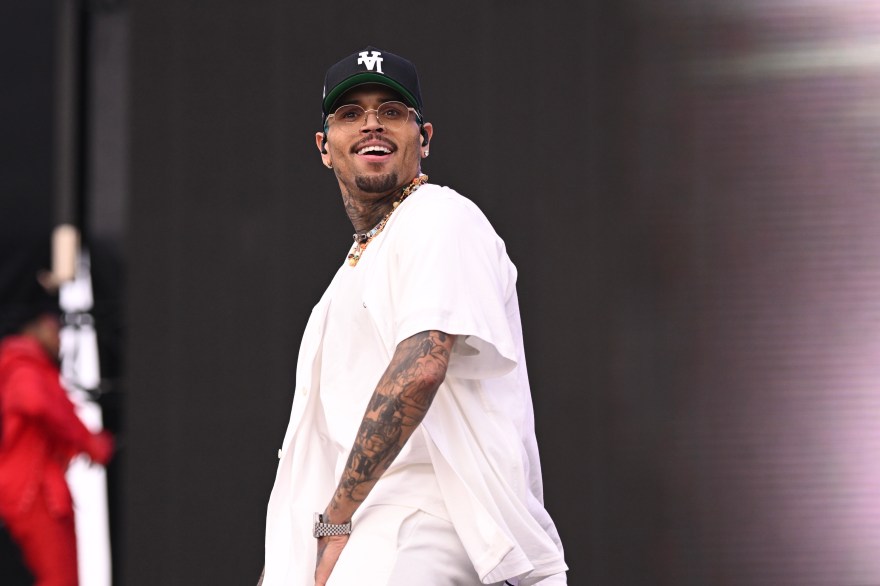
For years, fans have debated why Chris Brown—one of the most electrifying performers of his generation—has never graced the Super Bowl Halftime Show stage. With a catalog full of hits, unmatched dance ability, and global appeal, Brown checks nearly every box of what the NFL typically looks for in a headliner. So what’s really behind the snub?
One theory gaining traction ties back to Pepsi, the longtime sponsor of the halftime show for over a decade before Apple Music took over in 2022 with a multi-year partnership. During Pepsi’s tenure, the halftime show became one of the most brand-sensitive stages in entertainment—carefully curated to align with corporate image, mass appeal, and advertiser comfort.
Chris Brown’s public image, shaped in part by past controversies, has long been a topic of discussion in corporate circles. While his fanbase has remained loyal—and in many ways grown stronger—major brands have historically been cautious about aligning with artists who carry polarizing narratives. Pepsi, as a global brand deeply invested in maintaining a family-friendly image, may have played a role in shaping those decisions behind the scenes.
Even though Apple Music now oversees the halftime show, Pepsi’s influence within the NFL ecosystem hasn’t disappeared. The company remains invested in league partnerships, having shifted its strategy away from traditional TV placements to more digital and experiential marketing within the NFL space. That lingering presence raises the question: did years of brand-driven decision-making set a precedent that still impacts who gets the call today?
The conversation has picked up new steam following Pepsi’s recent decision to end its long-standing sponsorship of London’s Wireless Festival shortly after Kanye West was announced as a headliner. While Pepsi did not explicitly cite Kanye as the reason, the timing has fueled speculation about how brand image continues to influence sponsorship decisions tied to artists with controversial reputations.
That brings the focus right back to Chris Brown. Despite consistent chart success, sold-out tours, and undeniable performance ability, he remains absent from the biggest stage in American entertainment. For many fans, it doesn’t add up.
Is it simply a matter of timing and creative direction? Or is this the long shadow of brand partnerships—like Pepsi’s—continuing to shape outcomes even after stepping away from the spotlight?
One thing is clear: Chris Brown remains one of the most requested halftime performers by fans. Whether or not he ever gets that call may say less about his talent—and more about how corporate influence and public perception intersect in today’s entertainment landscape.