

Videos by According2HipHop
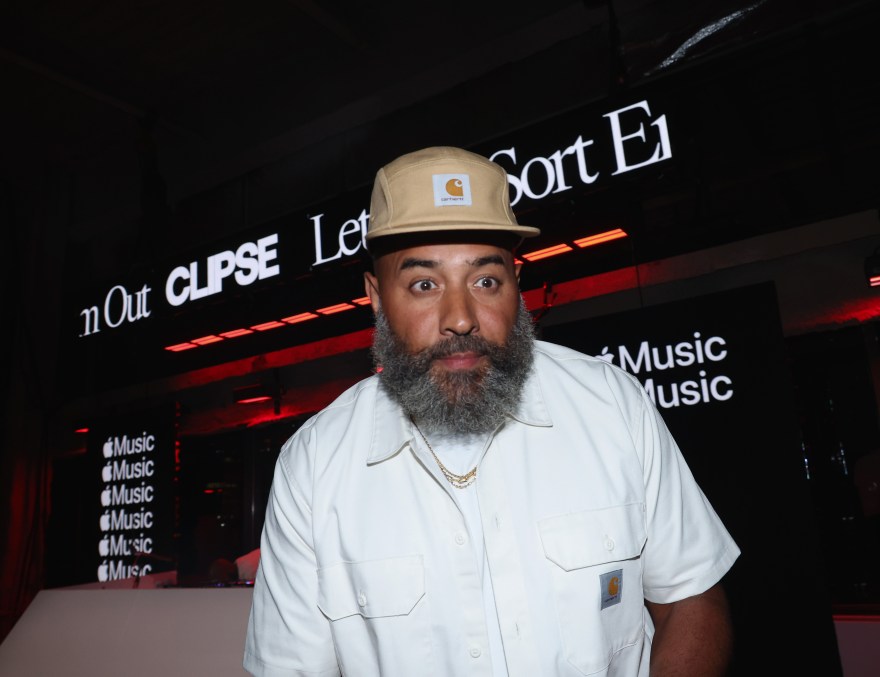
Ebro Darden is pushing back against long-standing claims that he played a role in the decline of New York hip-hop, addressing the criticism while reflecting on the end of Ebro in the Morning.
The Hot 97 veteran discussed the topic during a recent episode of The Ebro Laura Rosenberg Show, his new talk show alongside longtime collaborator Peter Rosenberg. While revisiting the backlash he’s faced over the years, Darden responded directly to the idea that his tenure at the station negatively shaped the city’s hip-hop landscape.
During the conversation, Rosenberg questioned who would now be responsible for breaking records in the morning slot. Darden was quick to clarify that on-air personalities don’t control station playlists.
“People who host don’t decide what music they play,” Darden said, noting that he hasn’t had any administrative or programming authority at Hot 97 in years. He added that he has not been involved in music decisions, research, marketing, or station leadership for over a decade.
Darden also made it clear that he’s ready to move past discussions surrounding the cancellation of Ebro in the Morning. According to him, the show’s hosts were aware the end was approaching well before the official announcement, making continued speculation feel repetitive.
He suggested that the political climate played a role in the show’s conclusion, recalling a moment shortly after Donald Trump’s election when he warned listeners the program could be on borrowed time. Darden implied that his outspoken political views put him at odds with larger forces behind the scenes.
This isn’t the first time Darden has connected the show’s ending to politics. Following Hot 97’s initial announcement, he publicly criticized the station’s new ownership, alleging that corporate and financial interests were incompatible with his progressive commentary.
Despite the controversy, Darden has maintained that decisions about music and programming were never his responsibility, rejecting the notion that he had the power to “kill” New York hip-hop and framing the criticism as a misunderstanding of how radio actually works.