

Rating: 4 out of 5 Stars
Videos by According2HipHop
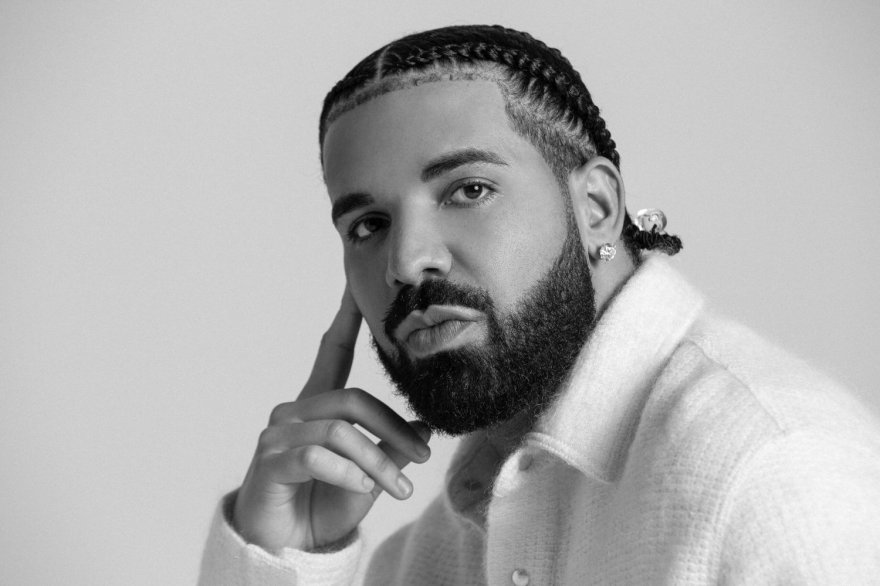
Not with a whisper. Not with a quiet retreat into R&B (more on that later) and plausible deniability. The 6 God came back swinging — and he did it on his own terms, unveiling Iceman in true Toronto fashion: a livestream takeover of the CN Tower, the city itself as his backdrop and his co-sign.
Iceman is Drake’s first solo studio album since For All the Dogs (2023), and the weight of that context cannot be overstated. After Kendrick Lamar’s “Not Like Us” swept five Grammys, headlined the Super Bowl halftime show, and became a cultural moment that seemingly rewrote the narrative on one of hip-hop’s greatest careers, the questions came fast and loud: Was Drake done? Had he been “Ja-Ruled”? Could a 39-year-old hitmaker who sings as effortlessly as he raps survive the most devastating character assassination the game has ever seen?
Iceman is his answer. And it’s a compelling one.
The Setup: Why This Album Mattered More Than Any Before It
To understand why Iceman hits differently, you have to understand what was at stake.
Drake built 16 years of dominance by doing things his way — fusing dancehall, R&B, pop, and the sounds of Atlanta, Houston, Memphis, and London into a sound that felt like everywhere even though he came from nowhere in rap’s traditional geography. He’s one No. 1 record away from tying Michael Jackson on the all-time chart. He turned OVO Sound into a movement. He made vulnerability cool in hip-hop before anyone gave him credit for it.
And then the battle happened.
It didn’t just expose an opponent — it exposed cracks. Was he too soft? Was he a culture vulture adapting styles without owning any? Was the “misogynist” label from the post-Her Loss era true? Were his songs about women and strip clubs enough to sustain a career into middle age? The Kendrick beef didn’t just make people doubt Drake’s battle rap credibility — it made people question his identity.
Former collaborators became enemies. Rick Ross. Metro Boomin. The Weeknd. A$AP Rocky entered the conversation. LeBron James — who Drake had treated like a brother — publicly sided with Kendrick. And then there was J. Cole, one of Drake’s most trusted allies, who dropped in early (First Person Shooter, Might Delete Later) only to pull back, leaving Drake looking alone at the top of a burning mountain.
Iceman steps directly into that fire.
The Album: Cold, Calculated, and Controlled
Drake comes out of the gates with a declaration of intent on the opener, “Make Them Cry” — “I’m in the cut just loading rebuttals.” There’s no apology. No vulnerability plea. The persona he’s chosen is right there in the title: the Iceman. Veins full of frost. Eyes straight ahead.
The lyrical targeting is precise and relentless throughout the project.
On “Dust,” Drake takes dead aim at Kendrick’s 2024 run with a lyric that stings like a backhanded compliment: “What was the year that they say you had slaps? ‘Cause I don’t remember it goin’ like that.” It’s classic Drake — dismissive, smug, almost bored. He pairs it with a reference to Kendrick’s standing in the culture, spitting something to the effect of: “To be the number one, you gotta lead the way / and to hold something over my head forever, you’re still a couple feet away.” A diss and a height joke rolled into one. Efficient.
On “Make Them Remember,” he addresses the LeBron betrayal with bars that echo like a breakup text: “I shouldn’t even be shocked to see you in that arena, because you always made your career off of switching teams up.” He follows it with: “Please stop asking what’s going on with 23 & me, I’m a real one and he’s not, it’s in my DNA.” It’s pointed, personal, and hits harder because you know Drake meant it. LeBron wasn’t just a celebrity acquaintance — he was considered family in the OVO circle. That loyalty being weaponized against him clearly still burns.
He goes after Kendrick’s image as a conscious rapper with equal precision, rapping: “White kids listen to you ’cause they feel some guilt, and that’s how your soul get fulfilled / handing out turkeys on camera inside of your hood then you go back to the hills.” It’s a cynical take — but effective. Drake is playing the villain, and he knows it. He leans into it.
And J. Cole? Drake doesn’t swing wild — he cuts carefully, acknowledging the history while making the hurt unmistakable: “I love you cause of the history, but if we being real, I could never forgive you / And you never called me back, but destiny’s written.” He adds the kicker: “I could’ve fell back like the married rapper, but we engaged.” Clean. Devastating. The kind of line that ends friendships and starts think pieces.
The Standout: “Ran to Atlanta” ft. Future & Molly Santana
If Iceman has a thesis statement, it’s “Ran to Atlanta.”
Kendrick’s “Not Like Us” featured the line “You run to Atlanta when you need a check balance” — meant to paint Drake as a fraud who borrowed Black Southern culture for clout. Drake takes that exact talking point, recruits Future (who was on the “Like That” track that ignited the whole beef), and turns it into a celebration. He’s not running fromAtlanta — he’s claiming Atlanta. And he brought the receipts: “Atlanta’ll tell ’bout my run / Ask Pluto, Bank or 21.”
Signing Molly Santana to the track is a statement too. It says: I’m still building. I’m still discovering. I’m still the guy who elevates the next generation.
The Future reunion is the emotional and cultural centerpiece of the album. Two of hip-hop’s most prolific creative partners, separated by the politics of beef, back together on a record that owns the narrative that was supposed to define Drake’s downfall. That’s not just a comeback moment — it’s a power move.
The Introspection: When the Ice Thaws
What elevates Iceman beyond a simple revenge album is that Drake allows the armor to crack in places.
The J. Cole lines aren’t just shots — they sound like grief. The LeBron bars carry the weight of someone who genuinely can’t understand how it all unraveled. For a project built around the persona of a man who feels nothing, there’s a lot of feeling on Iceman. The contradictions have always been Drake’s greatest artistic gift. He’s the guy who can rap about ice and isolation on one track and break your heart on the next.
It’s worth noting that Drake also dropped two additional projects simultaneously — Habibti and Maid of Honour — catering to his R&B fanbase and making clear that Iceman is specifically the rap statement, not the full picture of who he is. That kind of trifecta release is either an act of supreme confidence or controlled chaos. Likely both.
The Verdict
Iceman does what championship-caliber artists do when they’re cornered: it doesn’t just survive — it pivots. Jay-Z had The Black Album. Kanye had My Beautiful Dark Twisted Fantasy. Drake now has Iceman.
Is it the cleanest, most polished project of his career? No. Is it the most important? Arguably, yes. This was the album that had to exist. The album that the culture and his critics demanded. And Drake delivered it with his veins full of ice and his eyes locked on everyone who counted him out.
The 6 God is still here. Cold as ever.
4 out of 5 Stars
Stream Iceman now. And if you think the beef is over — you haven’t been paying attention.